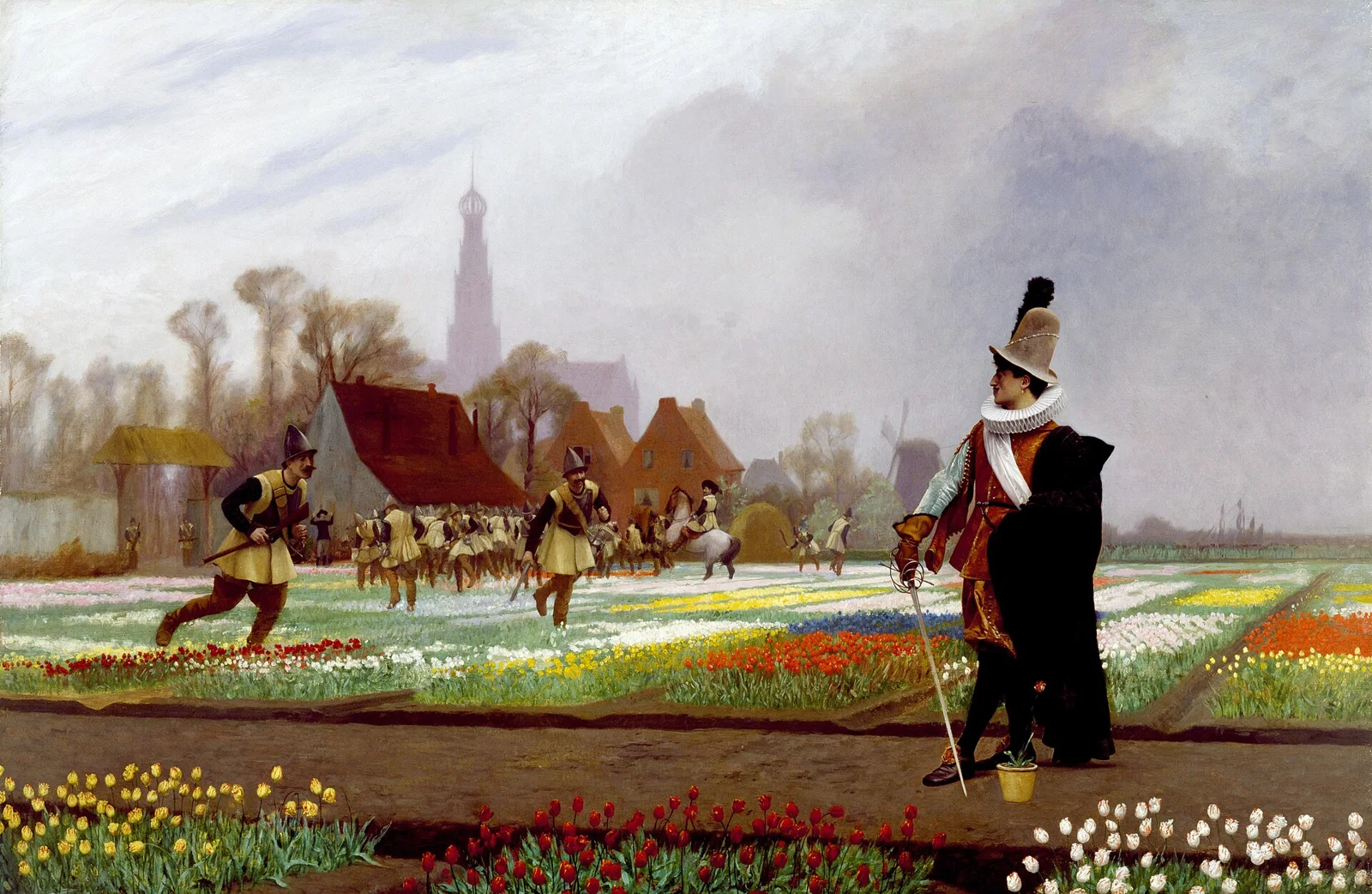
The Trading Fair 2027 takes its theme from the tulip trade of 1636 and 1637 in the Dutch Republic. Recorded prices for the rarest bulbs rivalled the cost of a fine house, and then the market turned sharply in early February 1637. It is one of the earliest recorded speculative booms.
Scroll down for what happened, what historians think of it now, and what a trader can take from it. On the day itself, you can play it out in our tulip market making game.
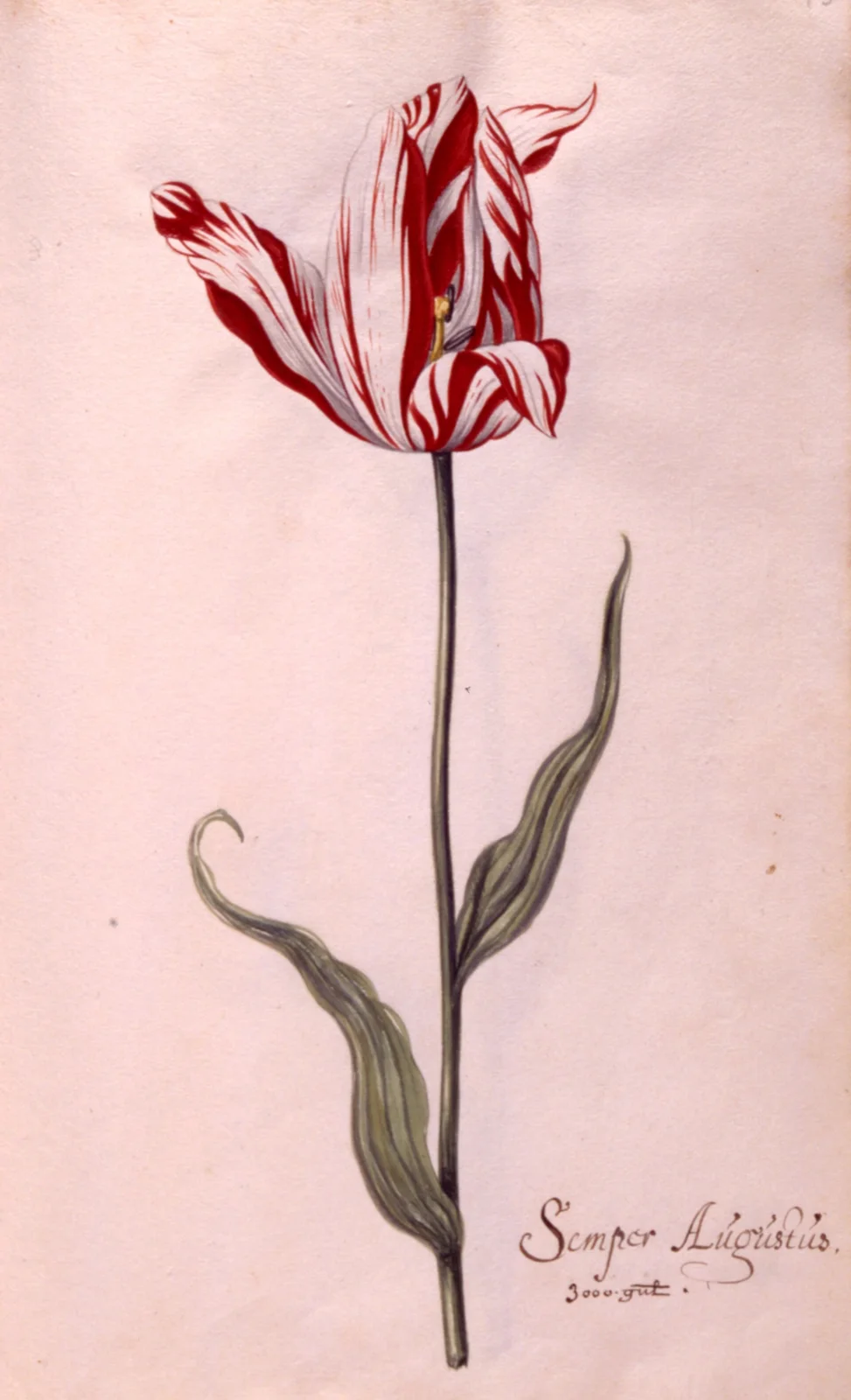
Semper Augustus, from a 17th-century Dutch tulip book (Six Collection)
1594Clusius's tulips are grown at Leiden's botanical garden
ƒ5,200Paid for one Admirael van Enkhuizen bulb at the Alkmaar auction, 5 February 1637
ƒ300A master craftsman's pay for a whole year
Early Feb 1637The speculative market turns sharply
3.5%Haarlem's fee to cancel a disputed contract, set in May 1638
The story
From a garden in Leiden to a tavern in Haarlem.
1554 to 1596
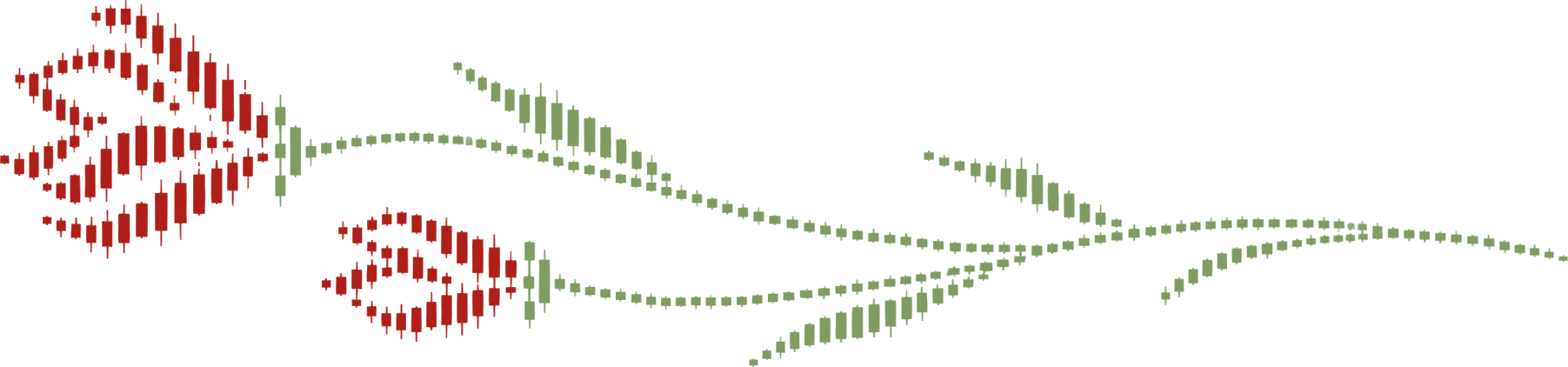
Thompson's reconstructed tulip price index, 1636 to 1637 (Earl Thompson, 2007). His series begins in early November 1636. Dashed lines cross gaps with no recorded prices; the May value comes from a reported cash sale.
1554 to 1596
A new flower from the Ottoman Empire
Tradition says tulip bulbs reached Vienna in 1554, sent from the court of Sultan Suleiman the Magnificent by the Habsburg ambassador Ogier de Busbecq. One of the earliest written records is Conrad Gesner's description of a tulip in flower in Augsburg in 1559.
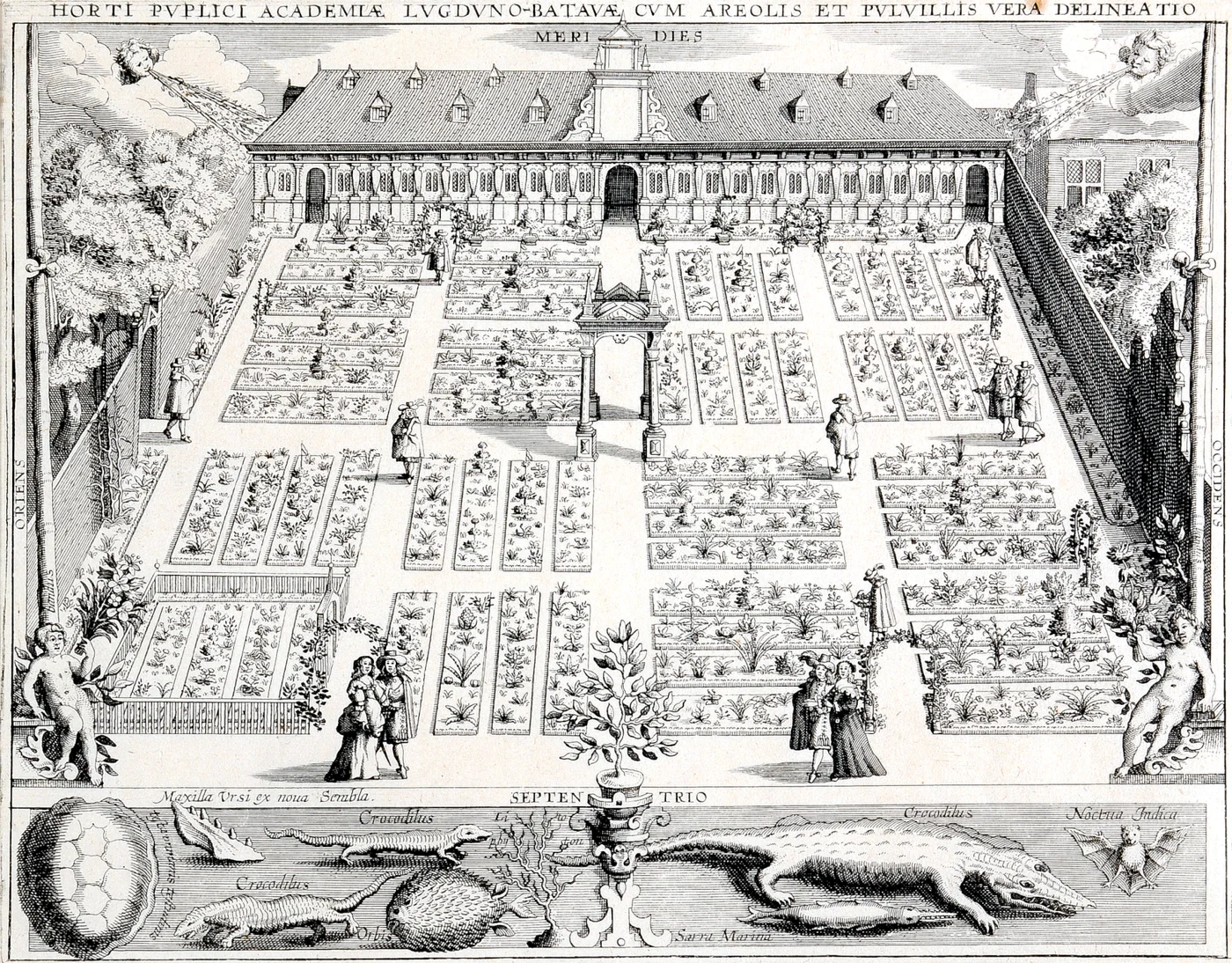
The botanist Carolus Clusius came to Leiden University in 1593. A few private Dutch gardens already grew tulips, but his collection at the new botanical garden made them known. They were wanted so badly that thieves raided his garden several times, and in 1596 alone took more than a hundred tulips.
Sultan Suleiman the Magnificent, circle of Titian, 1530s.Carolus Clusius, engraving by Martino Rota, 1575.
The Leiden botanical garden (Hortus botanicus), engraving by Willem Swanenburg, 1610.
1620s
A virus made the most wanted tulips
The most prized tulips had flames and feathers of colour on their petals. Nobody knew it then, but a virus caused the pattern, now called tulip breaking virus. It made a flower beautiful and also cut the number of new bulbs it grew, so the best tulips stayed rare.
The Semper Augustus, white with carmine flames, was the most famous. Adriaan Pauw, a director of the Dutch East India Company, grew it in his garden. Later stories say he owned almost all of them and refused every offer, but the evidence for that is thin. Just before the crash, ƒ10,000 was reportedly asked for one bulb.
1634 to 1636
Buying a bulb that is still in the ground
Tulips flower for about a week in April or May. Bulbs were normally lifted and delivered in the summer. During the growing season, buyers and sellers could agree a price now for delivery later, sometimes before a notary. Today we would call that a forward contract.
Rare bulbs were priced by weight, in a unit called the aas, about 0.05 gram. From 1634 new buyers joined the growers. In late 1636 common varieties joined the trade too, sold by the pound, and a pound could fetch hundreds of guilders.
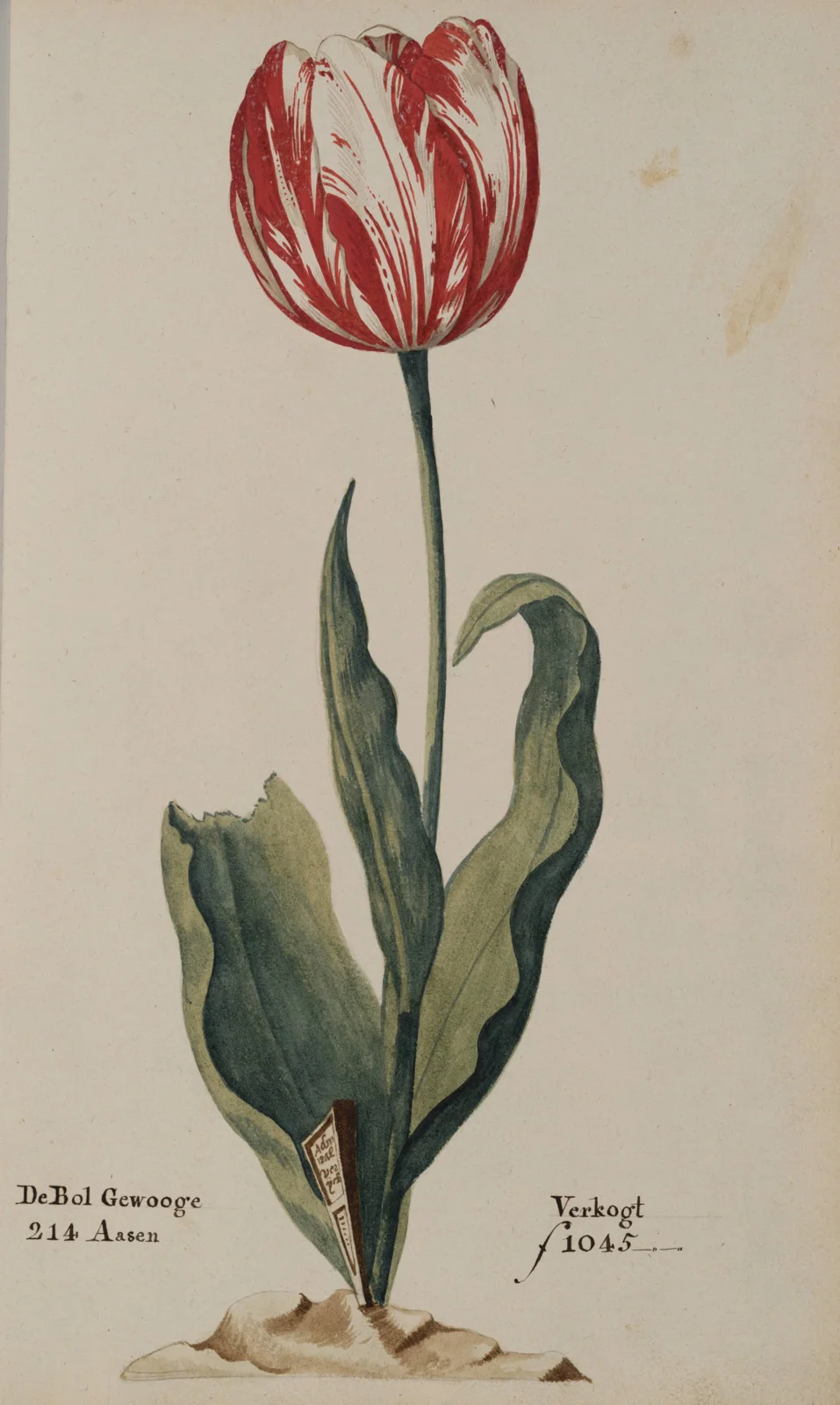
Admirael van der Eijck, from P. Cos's 1637 nursery catalogue. The weight and price were written in later and match the Alkmaar auction list: 214 aas, sold for ƒ1,045. A master craftsman earned about ƒ300 a year.
Winter 1636 to 1637
Trading in the tavern
Traders met in groups called colleges, in the back rooms of taverns. The buyer paid a small fee called wine money: 2.5% of the price, at most ƒ3 a trade. Nobody paid margin, a deposit that covers your losses if you cannot pay, and every contract was between two people, not with an exchange.
The Dutch called it windhandel, trading in wind, because no bulbs changed hands. Anne Goldgar found chains of up to five buyers for a single bulb. Between 12 November and 3 February, Thompson's reconstructed tulip price index rose about nineteenfold.
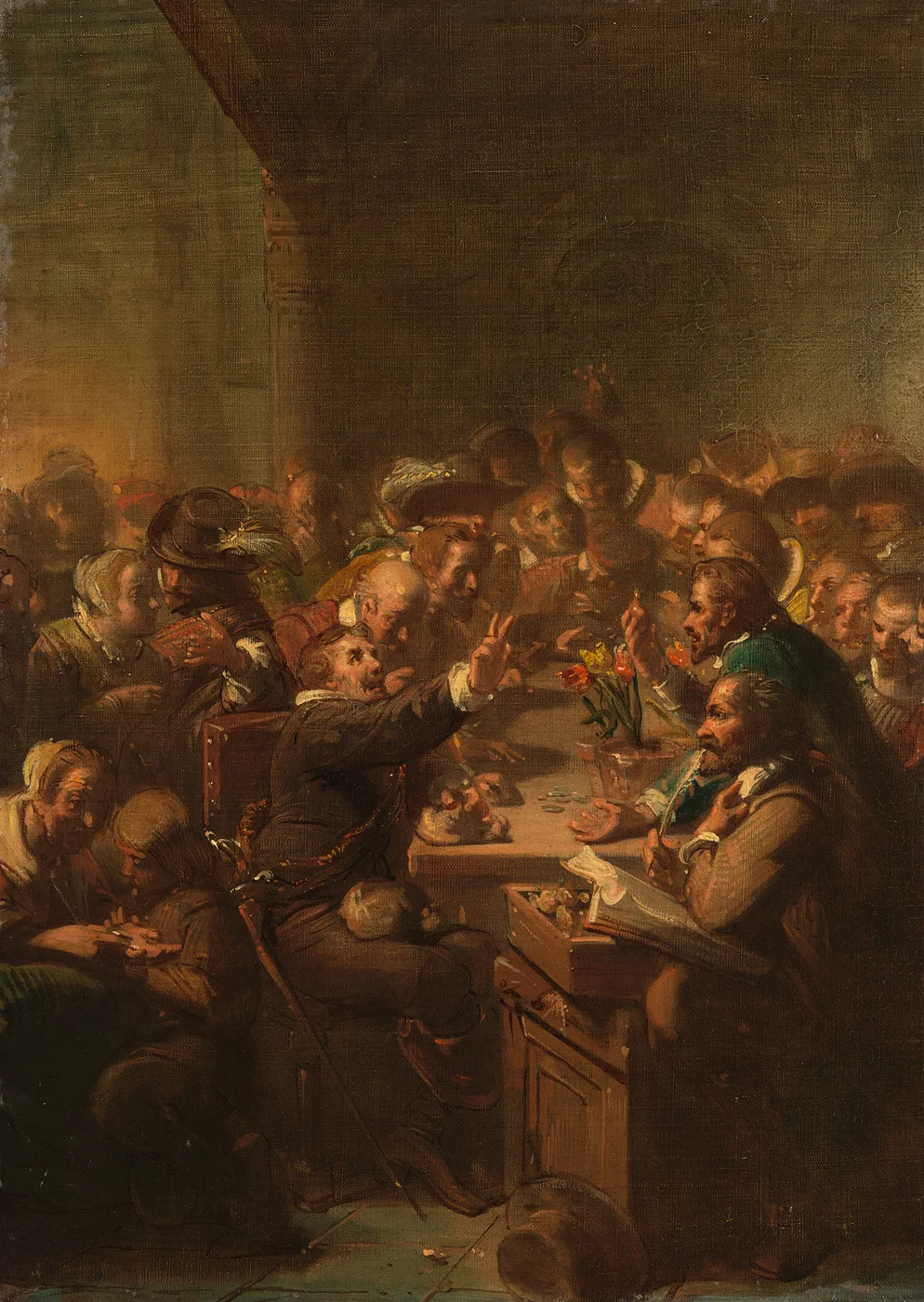
Anno 1637. De tulpenwindhandel, painted by Johannes Hinderikus Egenberger in the 19th century: a later picture of a college at work.
Early February 1637
The market turns
A satire written in 1637 tells of a sale at a Haarlem inn on 3 February where nobody would bid, even as the price was lowered again and again. That story is hearsay, and high bids were still recorded at the Alkmaar auction on 5 February.
But in the days after, contract prices fell in town after town, while trading went on for a while in Haarlem and Amsterdam. Buyers no longer wanted to pay the old prices, and enforcement varied from town to town.
February 1637 to 1639
Who pays for a broken contract?
Growers met in Amsterdam at the end of February 1637. They proposed that buyers could cancel contracts made after 30 November 1636 by paying 10% of the price. On 27 April the States of Holland, after asking the provincial court, told the towns to settle the disputes themselves.
More than a year later, on 28 May 1638, Haarlem ruled that disputed contracts brought before its local commission could be cancelled for 3.5% of the price. Many buyers refused to pay, and disputes went on into 1639.
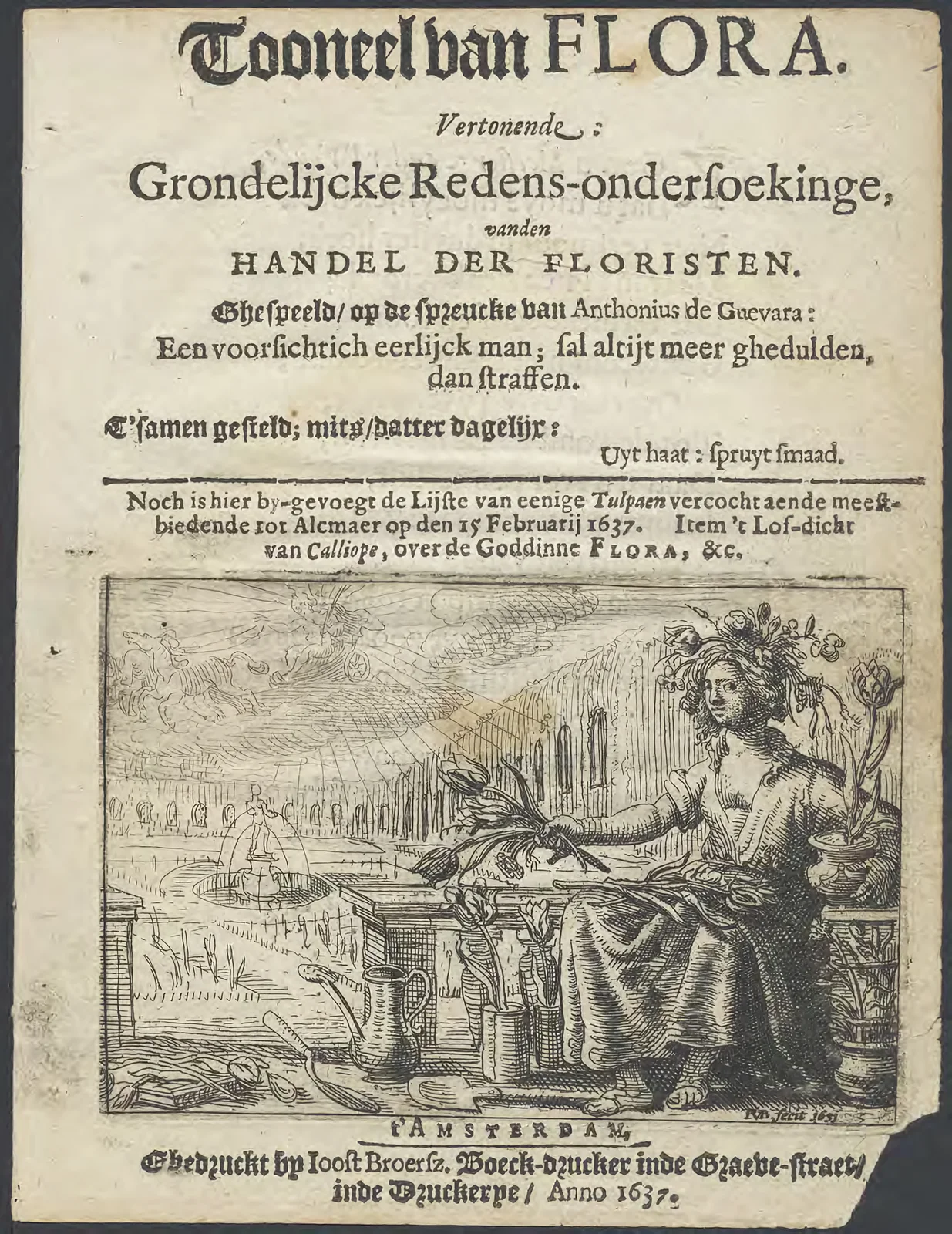
Tooneel van Flora, a pamphlet printed in Amsterdam in 1637 about the trade of the florists.
1637 to today
Later writers made the story bigger than it was
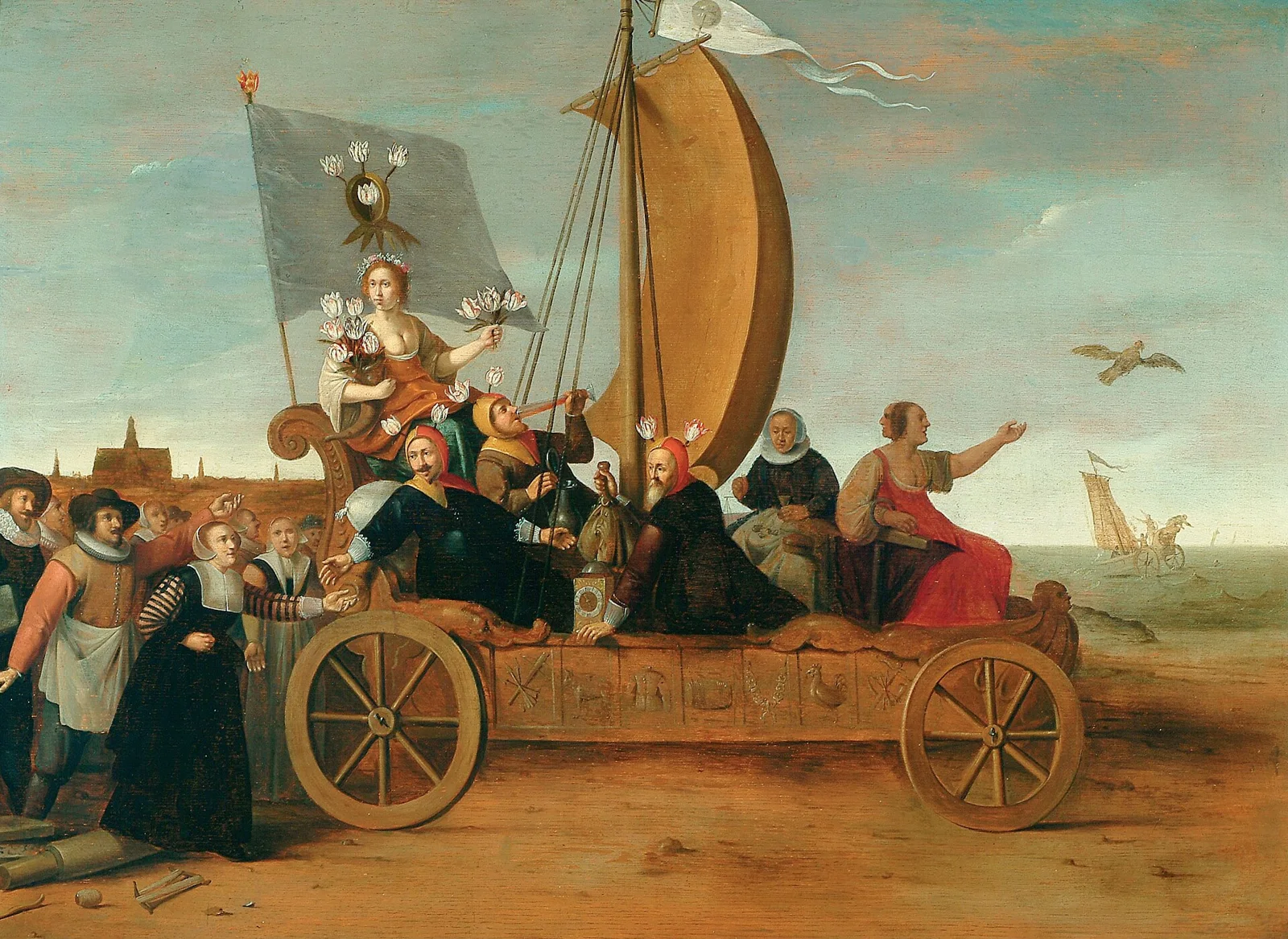
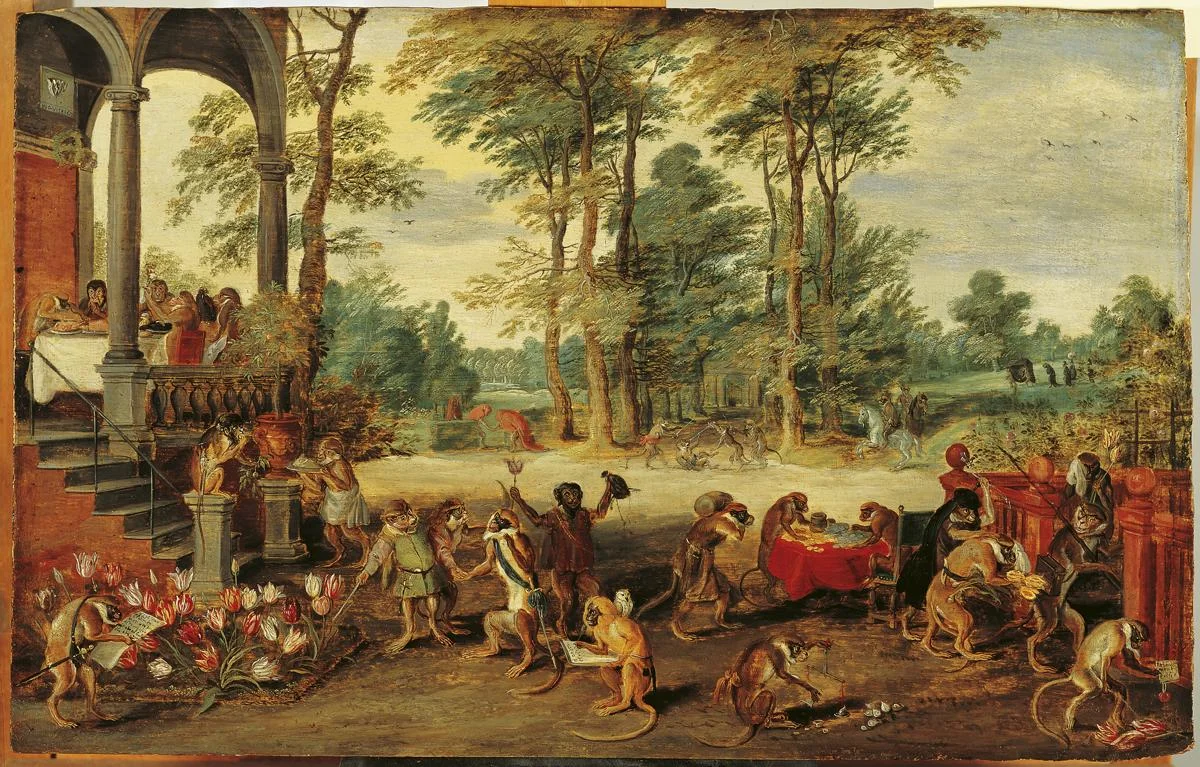
Painters mocked the trade straight away. Hendrik Pot showed Flora, goddess of flowers, riding a wagon of fools. Jan Brueghel the Younger painted the traders as monkeys.
In 1841 Charles Mackay retold it in Extraordinary Popular Delusions and the Madness of Crowds, with chimney sweeps buying bulbs and a sailor who ate one for breakfast.
Historians now read it differently. Anne Goldgar went through the archives and found that the traders were mostly merchants and craftsmen, and she found little evidence of anyone going bankrupt because of the tulip trade. Little money had changed hands, so few people lost much when prices fell.
Flora's Wagon of Fools, Hendrik Gerritsz Pot, about 1637.Satire on Tulip Mania, Jan Brueghel the Younger, about 1640.
The Tulip Folly, Jean-Léon Gérôme, 1882.
For traders
Four lessons for traders.
01
A forward is only as good as the other side
Many buyers refused to settle, and sellers were left to chase payment. On today's futures exchanges a clearing house sits between buyer and seller. Each side posts a deposit up front, called initial margin, and every day gains and losses are paid across as prices move, called variation margin. Many forwards are still agreed directly between the two sides, without a clearing house.
02
Buyers can vanish in one afternoon
Nobody knows what news, if any, set off the Haarlem auction. The bids just stopped. A market maker, a trader who posts a price to buy and a price to sell, often has to keep doing that under the exchange's rules on how long, how much and how wide. The rules vary by venue, and some allow wider spreads when markets are under stress. The prices have to pay for that risk.
03
A cheap way out makes a contract work like an option
This is a hypothesis by economist Earl Thompson (2007). He argued that from late November 1636 buyers expected to be allowed to cancel for a small fee. A contract you can walk away from works like a call option: the right, but not the duty, to buy at a set price, called the strike. With a cheap exit, buyers could agree to much higher prices, because their loss was capped. That may explain much of the jump.
04
Check where the data come from
Many of the prices we have come from satires written to mock the traders, and they mix very different deals: cash sales and contracts for later delivery. Economist Peter Garber called the price data "a blend of apples and oranges".
At the Fair, 6 April 2027
The tulip market making game.
Play the winter of 1637 yourself. Set a price to buy (your bid) and a price to sell (your offer) for bulbs, trade with other students and keep the bulbs you hold under control while news about the season comes in. Somewhere in the game, buyers may stop bidding.